Guinea Conakry NewsExplore the latest Guinea Conakry news and current events, the current state of press freedom in Guinea Conakry, including government influence, legal threats, and the role of independent media. The main Guinea news headlines are below however you can also read news from each African country by using the drop-down menu. |
Guinea Conakry News |
Guinea Conakry News |
Guinea Conakry News | Guinea Conakry News |
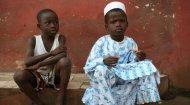

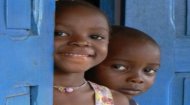

Explore all about the nation of Guinea in West Africa in a series of articles, pictures, videos and images.
More >
|
|

|
The news media landscape in Guinea Conakry presents a complex and often challenging environment, marked by a constant interplay between vibrant journalistic ambition and significant governmental pressures. While the country boasts a diverse array of media outlets, ranging from radio stations and television channels to online portals, the operational space for a truly independent press remains constrained, despite legal frameworks that ostensibly protect freedom of expression. In practice, the commitment to press freedoms often wavers. Journalists in Guinea frequently navigate a precarious path, with the threat of censorship, arrests, and harassment looming. Cases of media shutdowns, often temporary but disruptive, are not uncommon, creating an atmosphere of self-censorship as outlets and reporters weigh the risks of critical reporting. Governments have increasingly employed digital tools to control the narrative, utilising digital surveillance, implementing social media regulations, or resorting to internet blackouts, particularly during politically sensitive periods or protests, to limit the dissemination of information and curb public discourse. This makes the constitutional guarantee of press freedom a principle often observed in law but frequently undermined in its application. A key distinction within Guinea's media sphere lies between state-owned media and privately owned outlets. The Radiodiffusion Télévision Guinéenne (RTG), the national broadcaster, typically reflects the government's official stance, playing a significant role in public information campaigns that align with state interests. In contrast, privately owned outlets like FIM FM and Espace FM, along with various online news sites, often strive to offer more diverse perspectives, critically examining governance and societal issues. When comparing press freedom in Guinea across the West African region, a mixed picture emerges. While some neighbouring countries also grapple with similar issues, Guinea has experienced periods of particularly intense crackdowns, placing it among nations where journalists face considerable obstacles. The patterns of internet restrictions and media shutdowns, for instance, are not unique to Guinea but contribute to a broader regional trend where democratic gains in media plurality are often fragile and subject to political volatility. |


