Zambia NewsExplore the latest Zambia news and current events, the current state of press freedom in Zambia, including government influence, legal threats, and the role of independent media. The main Zambia news headlines are below however you can also read news from each African country by using the drop-down menu. |
Zambia News |
Zambia News |
Zambia News | Zambia News |
|
|
|
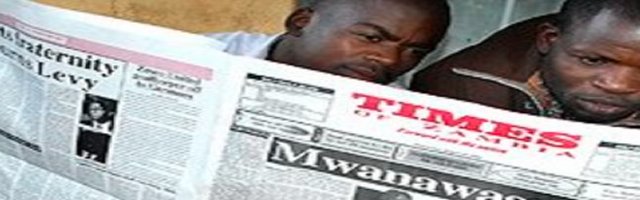
The media landscape in Zambia reflects a complex ecosystem where vibrant, privately owned outlets operate alongside powerful, state-controlled media, all while navigating regulatory hurdles and occasional overt government interference. This delicate balance fundamentally shapes the information available to the Zambian public and underscores the critical importance of independent journalism in the nation's democratic processes. While Zambia’s legal framework ostensibly guarantees freedom of the press, the execution on the ground can paint a starkly different picture. Historically, governments have employed various methods to manage and restrict critical reporting. Specific cases of censorship and harassment are unfortunately not uncommon. Journalists reporting on corruption or political dissent have sometimes faced threats, arbitrary arrests, or prolonged legal battles intended to drain resources and intimidate. Furthermore, the state has, at times, demonstrated a willingness to utilise aggressive tactics, such as media shutdowns, against vocal independent outlets deemed too critical of the ruling party. The closure of The Post Newspaper, a highly influential private institution, serves as a poignant example of the severe consequences faced by uncompromisingly critical journalism. In the digital era, the tools of control have evolved. Governments increasingly use digital surveillance and social media regulations, justified under various cybersecurity or public order laws, to monitor and silence dissenting voices. While Zambia has largely avoided sustained internet blackouts, the threat of such measures, coupled with the application of vaguely worded legislation, creates an atmosphere of self-censorship among journalists and editors. This digital control is often directed at privately owned outlets like Muvi TV or independent online platforms, which are crucial sources of alternative narratives that counterbalance the often favourable reporting of state-owned enterprises like the Zambia National Broadcasting Corporation (ZNBC). Comparing Zambia's situation to the broader region shows that while the country faces similar challenges regarding political pressure and economic sustainability for media outlets, its trajectory on press freedom has seen fluctuations. Countries like South Africa, despite their own issues, often maintain stronger institutional safeguards for journalists. The ongoing struggle in Zambia highlights the crucial role played by privately owned media in holding power accountable, often at great personal and financial risk. |


