|
Luanda Airport
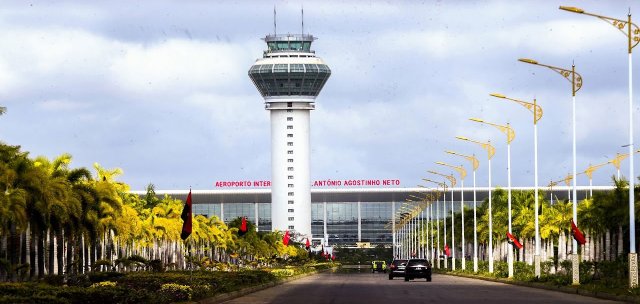
Dr António Agostinho Neto International Airport, better known as Luanda or Novo Aeroporto Internacional de Luanda, in facts, map and passenger information with a video guide. The new airport, often referred to as Luanda Airport and not to be confused with Quatro de Fevereiro International Airport, which it seeks to replace but which will remain open for non-commercial air services, maintenance, and training, stands as Angola's new primary international gateway and a vital hub for air travel in Southern Africa. Located in the municipality of Bom Jesus in Icolo e Bengo Province, 40 km south-east of the Luanda city centre, it is named after Agostinho Neto, the first president of Angola and is the largest airport ever constructed by any Chinese enterprise outside of China. It was inaugurated on November 10th, 2023, with its first passenger flight taking place on November 10, 2024. | |
The shift to Dr António Agostinho Neto International Airport is more than just a change of address; it represents a major shift in Angola's aviation capabilities. One of the most immediate and tangible impacts will be on the operating airlines and the destinations they can serve. Quatro de Fevereiro, with its restricted runway length and terminal capacity, often faced limitations in accommodating larger, long-haul aircraft and the associated passenger volumes. The new NAA, however, is built to international standards, boasting longer runways capable of safely handling wide-body jets such as the Boeing 747, 777, and the Airbus A380. This opens up possibilities for existing airlines to expand their routes and for new carriers to consider Angola as a viable and attractive destination. The airport is designed for 15 million passengers annually and 130,000 metric tons of cargo, while the older Luanda airport served 5.6 million.
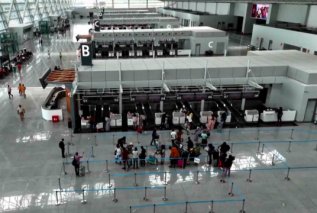
NAA has been engineered with future growth in mind, with the facilities at the new Dr António Agostinho Neto International Airport representing a quantum leap in terms of modern amenities and passenger comfort. Gone are the days of navigating cramped waiting areas and limited services. NAA features expansive passenger terminals designed with a focus on natural light, ample seating, and a diverse range of retail and dining options. Travellers will find a plethora of shops, from duty-free outlets to local artisanal stores, offering a chance to indulge in some retail therapy or pick up souvenirs. The culinary landscape will also be significantly enhanced, with a variety of restaurants, cafes, and fast-food establishments catering to diverse tastes and preferences, ensuring that every passenger, regardless of their schedule or culinary desires, can find something to enjoy.
Beyond retail and dining, the airport is equipped with modern lounges, business centres, efficient baggage handling systems, and advanced navigation aids for aircraft. Furthermore, the commitment to accessibility is evident in the design, with features catering to passengers with reduced mobility. The airport also incorporates advanced technologies for air traffic control and security, ensuring the highest levels of safety and operational efficiency. The surrounding infrastructure, including improved road networks and public transportation links, further enhances the overall accessibility and connectivity of NAA, making the journey to and from the airport a seamless experience.
|




 Currently, many of the airlines operating from Quatro de Fevereiro International Airport have yet to transfer to the new facility as progress has been slower than anticipated. As such, current services are limited to TAAG Angola Airlines E.P., Angola's state-owned airline; Emirates; and Airlink (previously known as South African Airlink), the regional airline based in Johannesburg, South Africa. Within a few years, all of the major airlines, including Air Portugal, Lufthansa, Air France, and Ethiopian Airlines, currently flying from Quatro de Fevereiro are expected to transfer to the new facility, opening it up not just as an African hub but an international one.


