|
Despite its importance, Bujumbura's economy faces challenges, including limited infrastructure, dependence on a few primary commodities, and the lingering effects of political instability. However, there is a palpable sense of entrepreneurial spirit and a growing focus on diversifying the economy, investing in information technology, and promoting regional integration. The city's young and dynamic population presents a significant asset, fueling innovation and driving the informal and formal markets forward. Bujumbura’s daily life is characterized by a lively energy. Mornings begin with the crescendo of traffic and the opening of market stalls, as people commute to work or gather their day's provisions. The city’s streets are a constant stream of activity, filled with pedestrians, cyclists, and the ubiquitous "moto-taxis" (motorcycle taxis) that weave through traffic. Despite urbanisation, a sense of community often prevails, particularly in residential neighbourhoods, where neighbours interact in communal spaces and children play freely. |
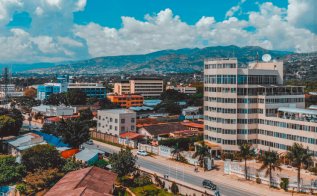 While agriculture remains the backbone of Burundi’s economy, Bujumbura hosts the majority of the nation's industrial activities. Textile manufacturing, breweries, soft drink production, and the processing of agricultural products like coffee are significant sectors. The city is also a burgeoning centre for services, including banking, telecommunications, and tourism-related businesses. Informal trade thrives in Bujumbura, with vibrant markets like the Marche Central (before its major fire and subsequent reconstruction efforts) acting as epicentres of daily commerce, where everything from fresh produce to electronics changes hands. This informal sector plays a crucial role in providing livelihoods for a significant portion of the urban population.
Bujumbura Profile |
Bujumbura Profile |
Bujumbura Profile | Bujumbura Profile |
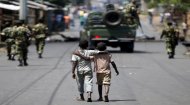

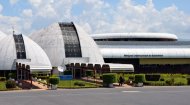
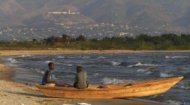
Explore all about the small nation state of Burundi in a series of pictures, videos and images.
More >
 |
|
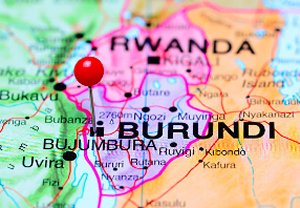
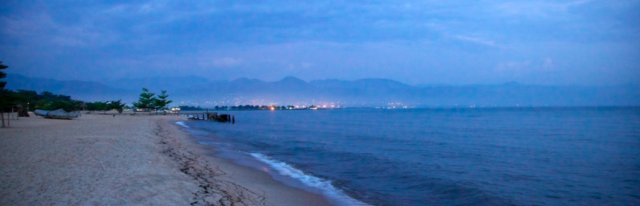
The Bujumbura's social profile is a rich tapestry of cultures, languages, and lifestyles. The city is a melting pot, drawing people from all corners of Burundi with its promise of economic opportunity and a more vibrant daily life. Kirundi and French are the official languages, but Swahili is widely spoken, particularly in the commercial districts and among traders, reflecting its historical links to East African trade routes. The population is diverse, representing various ethnic groups, though the majority are Hutu and Tutsi, who have striven for peaceful coexistence in the wake of past conflicts. Education and healthcare facilities, while still developing, are more concentrated in Bujumbura than elsewhere in the country. The University of Burundi, located in the city, is a crucial institution for higher learning, attracting students from across the nation and beyond. Culturally, Bujumbura is a dynamic hub. Music, particularly upbeat dance styles, permeates the air from local bars and "discothèques." Traditional dances and storytelling are cherished, often performed at cultural events and celebrations. The city also hosts a growing number of restaurants offering both local Burundian cuisine – fresh fish from Lake Tanganyika is a staple – and international dishes. Despite the evident challenges of poverty and infrastructure deficits in some areas, the resilience, hospitality, and vibrant spirit of Bujumbura's residents are immediately apparent, creating a unique urban experience. For those seeking to explore Burundi, Bujumbura serves as a natural starting point and offers a surprising array of tourist attractions. Its primary draw is undoubtedly Lake Tanganyika, the second deepest freshwater lake in the world. The city boasts several beautiful beaches, such as Saga Beach and Karera Beach, which are popular spots for relaxation, swimming, and enjoying stunning sunsets over the lake. Boat trips on the lake are a must, offering opportunities to explore the coastline, visit nearby fishing villages, or even spot hippos and various bird species. Water sports like sailing and jet-skiing are also gaining popularity. Beyond the aquatic allure, Bujumbura and its surroundings offer compelling historical and natural sites: Rusizi National Park: Located just a few kilometers north of the city, this park is a haven for wildlife enthusiasts. It’s famous for its large population of hippos, which can often be seen grazing near the riverbanks, as well as an impressive variety of birdlife, making it an excellent spot for birdwatching and boat safaris. These attractions, coupled with the warmth of the Burundian people and the vibrant urban atmosphere, make Bujumbura a fascinating destination for adventurous travellers seeking an authentic African experience. Despite its vibrancy, Bujumbura, like any major city in a developing nation, faces significant challenges. Chief among these is the need for sustained political stability, which is crucial for fostering investment and long-term development. Infrastructure, while improving, still requires considerable upgrades, particularly in areas like public transportation, housing, and waste management. Environmental concerns, such as pollution in Lake Tanganyika and deforestation in the surrounding areas, also demand urgent attention. Nevertheless, Bujumbura is a city brimming with potential. Its youthful population, strategic location, and resilient spirit are powerful assets. There is a growing focus on urban planning, environmental conservation, and attracting foreign investment to diversify the economy beyond agriculture. The gradual return of tourists and investors, coupled with ongoing efforts to strengthen regional ties, hints at a promising future for Bujumbura. |


