Bora Bora Beach

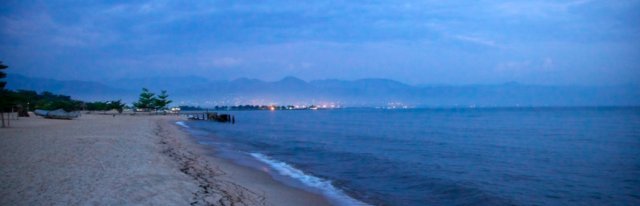
Bora Bora Beach on the shores of Lake Tanganyika in Burundi is an emerging tourist attraction with activities from boat trips, kayaking, or swimming in the freshwater expanse. When most people think of Burundi, they think of war and conflict, yet a short distance from the capital city of Bujumbura is the idyllic beach at Bora Bora, truly a hidden gem on Lake Tanganyika, an expanse of water nestled between four countries in central Africa. Lake Tanganyika itself is the second deepest freshwater body in the world, second only to Siberia's Lake Baikal, and the second largest by volume flowing into the Congo on its way to the Atlantic Ocean. The lake was unknown to the outside world until 1858 and was even visited by the famous explorer David Livingstone. The beach itself is located just south of Bujumbura, the former capital and still the principal economic hub of the country.

Bora Bora Beach's existence is intertwined with the social life of the capital, offering a vital space for recreation, commerce, and community. The background story of this area is one of resilience and adaptation. For decades, the lakeside has served as a central meeting point, evolving from simple fishing shores into a bustling recreational zone. While the sands here are not the pristine white coral dust of the South Pacific - they are often golden or slightly darker, reflecting the rich mineral deposits of the African soil - the atmosphere is electric. It is here that Burundians and regional travellers come to escape the city heat, enjoy fresh fish, and witness the captivating natural theatre provided by the lake.

The attractions of Burundi's Bora Bora Beach are centred less on high-end luxury resort development and more on authentic, vibrant cultural immersion and accessible lakeside activities. The core experience is driven by the local hospitality sector, which features a variety of bars, restaurants, and occasional makeshift market stalls lining the shore. Patrons can indulge in local delicacies, most famously mukeke (a small, sardine-like fish native to Tanganyika) and frites (French fries), often paired with locally brewed beers.

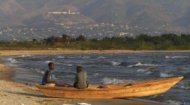
Water sports form another key component of the appeal. While infrastructure is still developing, visitors can easily arrange for motorised boat trips, kayaking, or simply swimming in the freshwater expanse. It is important to note the depth and changing moods of the lake; while refreshing, the waters demand respect as the lake presents some dangers, as it's not only home to scores of jellyfish, the waters off Bora Bora are also home to the man-eating crocodile species, the Gustave. For many regional tourists, Bora Bora Beach is simply the best place to relax outside of the urban sprawl, offering endless opportunities for people-watching and experiencing the joie de vivre characteristic of Bujumbura residents.

Moreover, the beach transcends mere daytime recreation. As night falls, the energy shifts. Many of the lakeside establishments transform into lively hubs of music, dancing, and nocturnal socialising. The proximity to the city ensures a constant flow of energy, making it a distinctly urban beach experience - a unique attraction compared to isolated resort locations. Visitors keen on cultural depth will find unparalleled opportunities to observe local life, from fishermen patching their nets at dawn to families enjoying a weekend picnic, all set against the breathtaking backdrop of the vast lake waters.


Bora Bora Beach

Bora Bora Beach

Bora Bora Beach

Bora Bora Beach


Volunteer Burundi

Volunteer Work Burundi

Check out all the latest African volunteer work placements and opportunities in Burundi.
More >


Bora Bora Beach
Bora Bora Beach

Burundi is fundamentally an emerging destination, and its tourist numbers reflect this status. The country is not yet on the mainstream itinerary for large-scale international tourism, meaning the majority of visitors are typically regional (from neighbouring DRC, Rwanda, or Tanzania), diaspora members returning to visit family, or NGO/business personnel. This reality is a double-edged sword: while infrastructure is less developed, the experience offered is profoundly authentic and untainted by mass production. While the tourism sector in Burundi has consistently struggled to regain momentum, in recent years, there have been concerted efforts by the government and local businesses to improve security and visibility. Destinations like Bora Bora Beach are critical to this recovery strategy, serving as the most visible and accessible recreational area for both locals and visitors. While precise, verifiable international visitor data can be challenging to obtain, the visible activity on the beach suggests a robust domestic and regional short-stay tourism market, which acts as the bedrock for future international growth. The current low volume of international tourists means that those who do visit receive a highly personalised experience, engaging directly with local operators rather than large multinational tourism chains.

If considering a visit to the tourist attraction, would-be travellers should first gain a detailed understanding of safety and security, as the situation in Bujumbura and its lakeside areas, like Bora Bora, is complex and requires careful due diligence. While the security environment has significantly stabilised in recent years compared to the unrest following the 2015 crisis, visitors must remain vigilant and informed. Current travel advisories from major Western governments (such as the US State Department or the UK Foreign, Commonwealth and Development Office) often warn travellers about potential political volatility and crime in certain border regions. However, within the confines of Bujumbura and Bora Bora Beach, security is generally more controlled, though petty crime can occur, particularly after dark. Tourists are strongly advised to consult the latest official government travel advisories immediately prior to departure and adhere strictly to local guidance.

Beyond political safety, practical health precautions are essential. Lake Tanganyika, while beautiful, is a freshwater lake, meaning health considerations differ from ocean beaches. Visitors should be aware of the risk of parasitic infections (such as schistosomiasis/bilharzia) and should seek advice on appropriate swimming areas and take preventative measures. Malaria is also endemic across the region, requiring travellers to use prophylaxis, mosquito nets, and repellent diligently. Drinking bottled water is a non-negotiable health safety rule. Furthermore, adopting respectful local customs - dressing modestly away from the beach front, seeking permission before taking photographs of people, and using a trusted transport method - adds another layer of security and enhances the overall travel experience.


Volunteer
by Country

African Volunteer Work


Sponsor
a Child

Sponsor a Child in Africa


All About
Africa

About Africa


African
Resources

African Resources