Tunisia NewsExplore the latest Tunisia news and current events, the current state of press freedom in Tunisia, including government influence, legal threats, and the role of independent media. The main Tunisian news headlines are below however you can also read news from each African country by using the drop-down menu. |
Tunisia News | Tunisia News |
Tunisia News | Tunisia News |


Explore all about the north African country of Tunisia in articles, pictures, videos and images.
More >
|
|
|
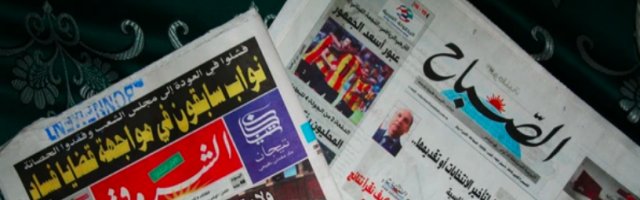
Tunisia's media landscape, once seen as a beacon of post-Arab Spring press freedom, has undergone a significant transformation, with its hard-won liberties increasingly under review. Following the 2011 revolution, a period of unprecedented openness allowed for a proliferation of new outlets and diverse voices, establishing a vibrant, if sometimes chaotic, public sphere. This era saw a dramatic expansion of privately owned media, challenging the long-standing dominance of state-controlled outlets like Wataniya TV and Radio Tunis, and fostering a sense of genuine journalistic independence. However, the initial promise has gradually given way to a more constrained environment. While freedom of the press remains enshrined in Tunisian law, particularly Article 37 of the constitution that guarantees freedom of opinion and expression, its practical application has become increasingly tenuous. Journalists and media organisations now operate under a shadow of uncertainty, with legal frameworks often invoked to justify restrictive measures rather than uphold fundamental rights. This trend marks a concerning regression from the aspirations of a decade ago, impacting the overall review of the media landscape. The current climate is characterised by a rise in specific cases of censorship, arrests, and harassment of journalists, alongside instances of media shutdowns. Reporters covering sensitive topics, particularly those critical of government policies or corruption, frequently face judicial proceedings, sometimes under vaguely worded laws. Digital surveillance has also become a tool to monitor dissenting voices, with social media regulations increasingly used to control online narratives and stifle independent reporting. Journalists like Chaima Issa, for instance, have faced charges related to their commentary, illustrating the tightening grip on expression. While internet blackouts are not a common tactic, the threat of digital control looms large, encouraging self-censorship within the profession. While private radios like Mosaique FM and Shems FM, along with newspapers such as Assabah and La Presse (French-language daily), continue to offer alternative perspectives, they are not immune to pressure. State-owned entities, including the national news agency TAP, often reflect official narratives more closely, creating a noticeable imbalance in reporting. This makes it harder for citizens to access impartial information, further complicating the review of press freedoms. |


