|
Rwanda Gorilla |
Rwanda Gorilla |
Rwanda Gorilla | Rwanda Gorilla |



For information, videos and photos of the African nation of Rwanda, check out our Rwanda pages.
More >
 |
|
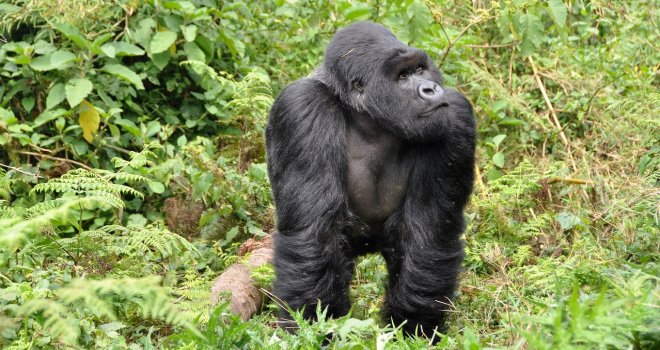
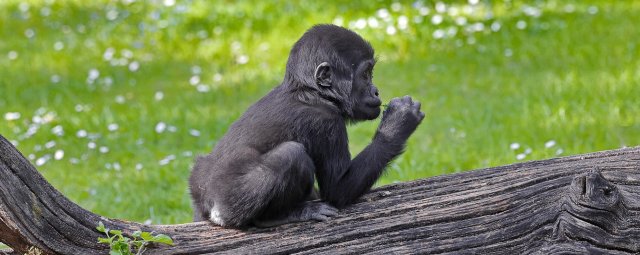
Central to their survival is the intimate understanding of their social life. Rwanda Mountain gorillas are highly cohesive and structured, living in groups typically ranging from five to thirty individuals. The hierarchy is absolute, dominated by a single, powerful Silverback - a mature male distinguished by the saddle of silvery hair across his back. The Silverback is the undisputed leader, protector, and decision-maker of the troop, responsible for mediating disputes, foraging for prime food sources, and defending the family unit against threats, which historically included human poachers and rival gorilla groups. Females often move between groups upon reaching maturity, preventing inbreeding and ensuring genetic diversity, while young males often leave to become solitary "blackbacks" before potentially challenging an established Silverback or forming their own families. This rigid family structure dictates every aspect of their day, from playful interactions among the juveniles to the synchronised movements through the dense undergrowth, all driven by the continuous search for the vast quantities of vegetation needed to sustain their bulk with the Rwanda gorilla living on a diet of leaves, stems and shoots, although they are also known to eat small mammals. For decades, the existential peril facing the Rwanda gorilla was starkly visible in their dwindling numbers. Many were injured or killed by traps set for other animals or threatened by loss of habitat as poor farmers converted forests to farm production. Many were also accidentally killed during the conflicts in Rwanda, while others were killed by poaching or disease. This all drove the global population to critically low historical levels, estimated in some reports to be fewer than 250 individuals across the entire Virunga region in the 1980s. They were, without exaggeration, on the very brink of extinction. However, through aggressive, interventionist conservation strategies - including daily monitoring, armed anti-poaching patrols, veterinary care (a concept known as ‘extreme conservation’), and significant community involvement - the trend has been dramatically reversed. Recent census data has been cause for cautious celebration, confirming that the total global population of mountain gorillas now significantly exceeds 1,000 individuals, a figure that solidly moves them from the "Critically Endangered" category to "Endangered" on the IUCN Red List (founded in 1964, the Red List is an inventory of the global conservation status and extinction risk of biological species). It is believed that of these 1,000, 604 live within the Virunga Massif itself. These increased numbers are a direct testament to the intensive human effort and massive financial investment made by Rwanda and its partners. Understanding this success means also understanding the temporal dimension of their existence, specifically their lifespan. In the wild, the Rwanda mountain gorilla typically lives for 35 to 40 years, though rare individuals may exceed this. Their development is a slow, measured process. Infants are completely dependent on their mothers for the first three to four years of their life, learning critical social skills and foraging techniques. Males reach full physical maturity and develop their characteristic silver saddles around 12 to 15 years of age, marking the time they are ready to assume leadership roles. Females, meanwhile, begin reproducing around age 10, typically giving birth only every four years, resulting in a very slow natural rate of population growth. This slow reproductive rate makes the population highly vulnerable to disruptions; the loss of even a few breeding females to disease or poaching can have significant long-term consequences for troop numbers and genetic viability. It's a little-known fact that each and every baby gorilla born in Rwanda is today subject to a naming ceremony called Kwita Izina. This revival of the ancient tradition is a reflection of the growing importance of the status of mountain gorillas in the country, with every single gorilla's life being tracked and protected by research teams on the ground. The male gorilla grows to around 5ft 6", weighing 28 stone, whilst females grow to around 4ft 6" and normally weigh around 14 stone. The financial mechanism supporting this rigorous protection model is responsible for high-value tourism. A trekking permit in Volcanoes National Park is among the most expensive wildlife viewing licenses globally, costing approximately $1,500 per person for an hour-long interaction. While seemingly prohibitive, this cost is the engine of conservation. A substantial portion of the revenue generated goes directly back into funding the park’s operational costs, including paying the salaries of hundreds of trackers, veterinarians, and anti-poaching rangers whose job is literally to guard the gorillas’ lives 24 hours a day. Crucially, a percentage of the revenue is also channelled into local community development projects - building schools, roads, and clinics - a fundamental strategy that ensures the people living adjacent to the park benefit directly from the gorillas' continued existence. This economic incentive transforms local communities from potential poachers into vigilant conservation partners, recognising that the gorillas are a source of sustainable livelihood, inextricably linking the prosperity of the human population with the security of the gorilla numbers. Everyone we know who has gone gorilla trekking in Rwanda has reported it's a superb experience, even worth sleeping for days afterwards due to utter exhaustion! |


