Nigeria NewsExplore the latest Nigeria news and current events, the current state of press freedom in Nigeria, including government influence, legal threats, and the role of independent media. The main Nigerian news headlines are below however, you can also read news from each African country by using the drop-down menu. |
Nigeria News |
Nigeria News |
Nigeria News | Nigeria News |



For information, videos and photos of the West African nation of Nigeria, check out our Nigeria pages.
More >
|
|
|
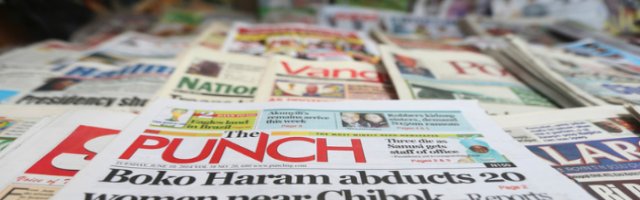
Nigeria's media landscape boasts a rich history of independent journalism that dates back to the colonial era. With a diverse array of print, broadcast, and digital platforms, it plays a critical role in informing public discourse and holding power accountable within Africa's most populous nation. While freedom of the press is theoretically enshrined in Chapter Four of the 1999 Nigerian Constitution, its practical application is consistently undermined. Journalists often operate under a cloud of fear, facing arbitrary arrests, harassment, and even physical violence. Specific cases, such as the prolonged detention of certain journalists or the intimidation faced by outlets like Premium Times for their investigative reporting, highlight a worrying trend. These incidents are not isolated; they represent a systemic attempt to stifle critical voices and control narratives, particularly around sensitive political or security matters. The methods employed to rein in the press extend beyond direct confrontation. Governments have increasingly leveraged digital tools and regulations to exert control. While explicit internet blackouts aimed solely at media might be rare, the threat of social media regulations, often framed as combating "fake news," poses a significant risk to online journalistic freedom and unfettered information dissemination. The spectre of digital surveillance also looms large, creating an environment where journalists must self-censor to avoid repercussions for their reporting, especially when investigating corruption or human rights abuses within state apparatuses. A clear dichotomy exists between state-owned outlets, such as the Nigerian Television Authority (NTA) and the Federal Radio Corporation of Nigeria (FRCN), which often function as government mouthpieces, and the robust privately-owned sector. Independent platforms like The Guardian, Channels Television, Arise News, and Premium Times strive for editorial independence, though they are not immune to pressure. When compared to other West African nations, Nigeria's media, despite its pressures, often exhibits greater resilience and a higher volume of critical reporting than some neighbours where state control is more absolute. However, the recurring pattern of arrests and legislative threats mirrors challenges faced across the region, where governments frequently use similar tactics to manage public perception. |


