Mozambique NewsExplore the latest Mozambique news and current events, the current state of press freedom in Mozambique, including government influence, legal threats, and the role of independent media. The main Mozambique news headlines are below however you can also read news from each African country by using the drop-down menu. |
Mozambique News |
Mozambique News |
Mozambique News | Mozambique News |

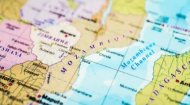
For information, videos and photos of the African country of Mozambique, check out our profile pages.
More >
|
|

|
The media landscape in Mozambique is characterised by a significant divide between influential state-owned media outlets, such as the newspaper Notícias and Televisão de Moçambique (TVM), which often adhere closely to the government narrative, and a smaller, often struggling sector of independent private outlets dedicated to critical reporting. While the law clearly enshrines the right to information and expression, its practical application is frequently undermined by subtle and overt mechanisms of control, resulting in Mozambique consistently ranking poorly in global press freedom indices. Challenges to press freedoms often arise when journalists attempt to cover sensitive topics, particularly corruption, human rights abuses, or the ongoing conflict in the northern province of Cabo Delgado. It is in these critical zones that the gap between legal framework and practice becomes most pronounced. Cases of direct harassment and assault are alarmingly common, and the disappearance of journalists, such as Ibraimo Mbaruco in 2020, serves as a chilling reminder of the dangers faced. While direct arrests are sometimes masked under vague national security or defamation laws, the threat of withdrawal of credentials, physical intimidation, and crippling lawsuits are frequently deployed to encourage self-censorship, particularly amongst regional correspondents. While widespread internet blackouts are less common than in some other parts of the continent, strategic throttling of data speeds and the use of regulations targeting social media commentary have been observed, especially during election periods or moments of high public tension, effectively controlling the narrative when traditional media proves difficult to suppress. This use of technological controls complements the dominant role played by state media, which receives the bulk of advertising revenue, further skewing the playing field against independent voices like the weekly newspapers Savana and Carta de Moçambique, which rely heavily on investigative reporting. While Mozambique may not face the same level of overt media closures seen in some East African nations, the subtle economic pressures and the impunity enjoyed by security forces when dealing with critical journalists create an equally restrictive climate. |


