Aden Adde International Airport

Aden Adde International Airport (MGQ), better known as Garoonka Caalamiga Ee Aadan Cadde locally (or Mog-Adisu Aadan Cadde International Airport in Arabic), in facts, map and passenger information with a virtual landing video. The history of the airport stretches back well before Somalia’s independence being built by the Italians during the Second World War, but its modern identity was forged in the decades following 1960. Originally known simply as Mogadishu International Airport, it was officially renamed in honour of the nation's first President, Aden Abdullah Osman Daar, widely known as Aden Adde. During the relatively stable post-independence era, the airport served as a major stopover on regional and international routes, facilitating early tourism and trade. However, the collapse of the central government in 1991 marked a devastating chapter.

For years, the airport’s control became fragmented, falling intermittently into the hands of various militias, often rendering it unusable for commercial traffic and severely limiting its operational effectiveness. This period of intense conflict saw the infrastructure deteriorate severely, with limited maintenance and safety protocols. The renewal began in earnest in the late 2000s and early 2010s, following improved security conditions in Mogadishu. A crucial element of this revitalisation involved contracting international firms, such as the Turkish company Favori LLC, to manage and upgrade the facility, injecting much-needed investment and technical expertise necessary to bring the airport up to modern international standards.

This resulted in significant investment in facilities and infrastructure, shifting the airport’s operational capacity dramatically. The construction of a contemporary terminal building was a key milestone, replacing the fragmented, heavily damaged structures of the civil war era. This new complex features dedicated areas for check-in counters, baggage handling systems, and comfortable waiting zones. Furthermore, the operational capabilities have been significantly enhanced by the installation of advanced navigational aids, improved runway lighting systems, and a modern control tower, enabling round-the-clock operations and better handling of larger, heavy jet aircraft. Critically, the investment has also focused heavily on security, which remains a paramount concern. Aden Adde is now characterised by multiple layers of security screening for both passengers and cargo, incorporating sophisticated equipment and internationally trained personnel to ensure compliance with global air safety regulations. While the retail and dining offerings remain relatively modest compared to major global hubs, the essential services, including banking, customs, immigration and basic telecommunications, ensure a smooth and increasingly efficient experience for the thousands of passengers who transit through the gateway each week.

The growing political stability and infrastructural upgrades have directly facilitated the return of several key operating airlines, both regional and major intercontinental carriers, solidifying the airport’s status as a vital East African aviation node. Among the most crucial operators are Ethiopian Airlines, which connects Mogadishu to its massive hub in Addis Ababa, and Turkish Airlines, whose direct flights to Istanbul provide the nation with its single most important direct link to Europe and the wider world. These major international links have been supplemented by strong regional traffic maintained by carriers such as Kenya Airways, flying into Nairobi, and flydubai, providing a reliable connection to the massive commercial centre of the UAE.


Mogadishu Airport

Mogadishu Airport

Mogadishu Airport

Mogadishu Airport


Volunteer in Somalia

African Volunteer Work: Somalia

Check out all the latest fee paying and free volunteer work placements with local projects in Somalia.
More >


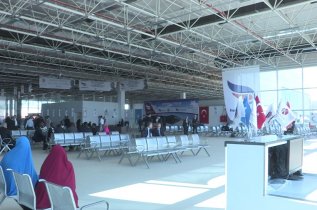
Inside Aden Adde International Airport

Mogadishu Airport

Beyond these international airlines, the airport is also the primary hub for several critical local and diaspora-focused airlines, including Daallo Airlines, Jubba Airways, and African Express Airways, which maintain essential domestic and regional routes, particularly serving population centres in nearby Djibouti and the Gulf states enabling better connectivity for Somali citizens and enhanced accessibility for foreign investors and diplomats.

These operating airlines collectively service a constantly expanding network of destinations, reflecting both the humanitarian and commercial needs of Somalia. The routes primarily focus on major African capitals and key Middle Eastern transit points. Key destinations include the aforementioned transit hubs of Istanbul, Addis Ababa, and Dubai, which collectively facilitate travel to virtually any corner of the globe. Other crucial routes often include Jeddah in Saudi Arabia, catering to pilgrims and the large Somali community residing in the Gulf, and smaller regional flights to cities like Hargeisa and Garowe, linking the nation internally. This network also serves as an artery for cargo (from pharmaceuticals and electronics to construction materials), medical supplies, and humanitarian aid.

The passenger numbers reported by Aden Adde International Airport have shown sustained growth since the major security improvements of the early 2010s. While precise, consistently published figures can fluctuate, the reliable trend shows that annual passenger throughput has increased exponentially, often far surpassing the total number of passengers handled in the airport’s pre-civil war peak years. This robust growth reflects the large-scale return of the Somali diaspora, who often travel with significant capital and skills, alongside the steady increase in foreign diplomatic and business travel. Furthermore, the volume of air cargo, while often less publicised, has similarly seen a significant upturn, emphasising the airport’s indispensable role in stimulating trade and facilitating the logistics chains necessary for a growing economy. This quantifiable increase in traffic serves as a clear indicator of the rising confidence in Somalia’s future, as well as the successful efforts to institutionalise security and operational management at this critical gateway.

The chances are that you'll probably never get the opportunity to fly into Mogadishu Airport however this video is the next best thing and shows the breathtaking approach to the runway over the clear blue sparkling waters of the Indian Ocean. Oh, and just for a bit of trivia, Mogadishu Airport was home to two lion cubs, Scar and Grumpy, who were housed there after being found by government soldiers when they boarded a smuggling ship bound for an unknown Arab country. They were relocated to a sanctuary in South Africa in 2011. Now check out our Mogadishu profile page above.


Volunteer
by Country

African Volunteer Work


Sponsor
a Child

Sponsor a Child in Africa


All About
Africa

About Africa


African
Resources

African Resources