Lesotho NewsExplore the latest Lesotho news and current events, the current state of press freedom in Lesotho, including government influence, legal threats, and the role of independent media. The main Lesotho news headlines are below however you can also read news from each African country by using the drop-down menu. |
Lesotho News |
Lesotho News |
Lesotho News | Lesotho News |
|
|
|
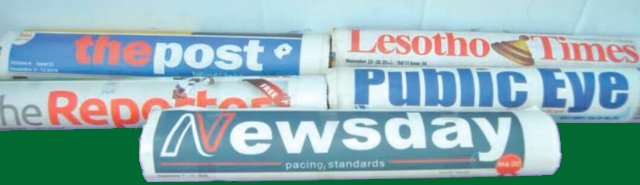
Lesotho’s media landscape, though small, plays a crucial role in shaping public discourse and holding power to account. The country’s constitution explicitly guarantees freedom of expression and the press, yet in practice, journalists often face intimidation, censorship, and legal harassment. While the media environment is relatively freer than in some neighbouring countries, recent incidents highlight ongoing challenges that undermine press freedoms. State-owned media, such as the Lesotho Broadcasting Corporation (LBC) and Lesotho News Agency (LENA), dominate the sector, often reflecting the government’s perspective rather than offering critical analysis. Privately owned outlets like The Post, MoAfrika FM, and Times of Lesotho provide alternative viewpoints but operate under financial and political pressures. Independent journalists frequently report interference, especially when covering sensitive topics like corruption, security force abuses, or political infighting. In recent years, there have been alarming cases of harassment against journalists. In 2020, MoAfrika FM journalist Ralikonelo Joki was arrested after reporting on a protest, accused of inciting violence—a charge widely seen as politically motivated. Similarly, The Post has faced lawsuits and intimidation for its critical reporting on government officials. These incidents reflect a broader pattern where legal protections for the press exist on paper but are routinely ignored when inconvenient for those in power. Digital surveillance and social media regulations are emerging as tools to control dissent. Although Lesotho lacks the systematic internet shutdowns seen in countries like Eswatini or Ethiopia, authorities have monitored online criticism, particularly during political crises. Social media platforms are increasingly used to spread disinformation, while journalists reporting on these spaces risk being labelled as agitators. Comparing Lesotho to other Southern African nations reveals a mixed picture. While it fares better than Zimbabwe, where state repression of the media is severe, it lags behind South Africa, where independent journalism is more robust. However, even South Africa is not immune to political interference, as seen in attempts to regulate media through laws like the Protection of State Information Bill. |


