Ethiopia NewsExplore the latest Ethiopia news and current events, the current state of press freedom in Ethiopia, including government influence, legal threats, and the role of independent media. The main Ethiopia news headlines are below however you can also read news from each African country by using the drop-down menu. |
Ethiopia News |
Ethiopia News |
Ethiopia News | Ethiopia News |



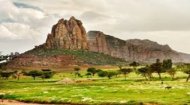
Explore all about the African country of Ethiopia in a series of articles, pictures, videos and images.
More >
|
|
|
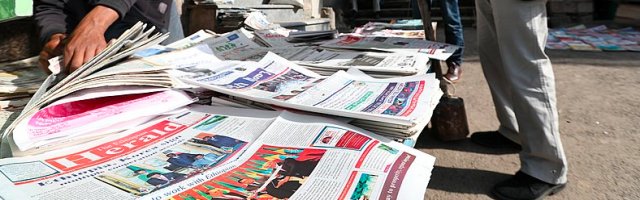
On paper, Ethiopia's laws enshrine principles of press freedom, promising a space for diverse voices. In practice, however, this freedom is frequently curtailed through a multifaceted system of control that includes legal harassment, intimidation, and severe digital repression. This divergence between law and practice is most clearly seen in the treatment of private media outlets and their journalists. While state-owned broadcasters like the Ethiopian Broadcasting Corporation (EBC) predominantly serve as mouthpieces for the government's agenda, privately owned outlets such as the Addis Standard, Addis Maleda, and the now-defunct Awramba Times have historically pushed boundaries. Their work, however, often comes at a high cost. Over the years, numerous journalists from these and other independent platforms have faced arbitrary arrests, protracted detentions without charge, and severe harassment. These actions send a clear chilling effect through the industry, encouraging pervasive self-censorship among reporters and editors who fear retribution for critical coverage. Beyond direct arrests, the Ethiopian government has increasingly employed sophisticated digital tools to silence dissent and control the press. During periods of civil unrest or political tension, the implementation of nationwide internet blackouts has become a common, blunt instrument. These shutdowns effectively strangle the free flow of information, cripple journalistic work, and isolate communities. Furthermore, the government has leveraged social media regulations and the threat of digital surveillance to monitor journalists, track their sources, and create an atmosphere of constant fear. Laws ostensibly designed to combat hate speech and disinformation are often wielded ambiguously to target and prosecute critical reporting. Consequently, the environment for a free press in Ethiopia remains deeply constrained. The space for independent journalism fluctuates with the political climate, opening briefly only to contract again swiftly. While some private outlets continue to operate with courage, their existence is precarious, shaped by the ever-present threat of legal action, shutdowns, or offline intimidation. |


