Djibouti NewsExplore the latest Djibouti news and current events, the current state of press freedom in Djibouti, including government influence, legal threats, and the role of independent media. The main Djibouti news headlines are below however you can also read news from each African country by using the drop-down menu. |
Djibouti News |
Djibouti News |
Djibouti News | Djibouti News |


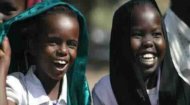
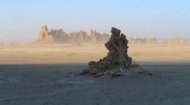
Explore all about the small nation of Djibouti on the east of Africa in pictures, videos and images.
More >
|
|
|
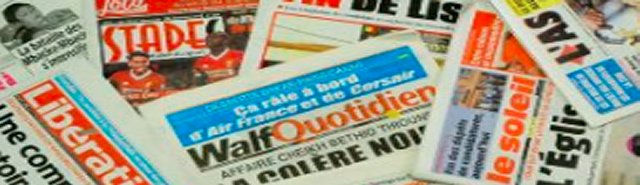
Djibouti's media landscape is overwhelmingly dominated by government entities. The primary source of information remains the state broadcaster, Radiodiffusion Télévision de Djibouti (RTD), alongside the official publication, La Nation. These outlets operate largely as mouthpieces for the ruling party, shaping a unified narrative that prioritises stability and government messaging, leaving very little space for investigative journalism or critical analysis of public affairs. While freedom of the press and expression are nominally enshrined in Djiboutian law, these protections are frequently overlooked or outright ignored in practice. The environment is characterised by persistent efforts to silence independent voices, whether they are local journalists, bloggers, or human rights defenders. The government maintains tight control through administrative means and the zealous enforcement of defamation and national security laws, which are often employed to target critics. Specific cases of censorship and harassment are common, leading to significant self-censorship among the already small pool of independent reporters who still attempt to operate within the country. Journalists attempting to cover topics deemed sensitive, such as land disputes, corruption, or opposition political rallies, risk immediate repercussions ranging from arbitrary arrests and short-term detentions, without formal charge, to outright harassment, often forcing independent journalists into exile. Beyond physical pressure, the government utilises digital tools as a means of control. Independent news websites and platforms critical of the government are routinely blocked or subjected to debilitating internet blackouts, effectively limiting the public’s access to diverse perspectives. Comparing Djibouti to the broader East African region highlights its exceptional level of restriction. While neighbouring countries like Kenya or even the complex environment of Somalia face their own significant safety issues for journalists, Djibouti stands out for its systematic, top-down control. There is a palpable imbalance concerning the role of state-owned media versus privately owned outlets; the few private publications that emerge are typically fragile and face constant pressure to either align with the state narrative or risk being shut down, often without clear justification. |


