Djibouti Airport

Djibouti-Ambouli International Airport (JIB/HDAM), better known as Djibouti or Ambouli Airport, in facts, map and passenger information with a virtual video landing at Djibouti Airport. The history of Djibouti-Ambouli International Airport is intrinsically linked to the geopolitical evolution of the region. Established in the mid-20th century, during the period when Djibouti was known as French Somaliland, the airport initially served as a crucial logistical base for the French military presence. Its strategic location, offering access to the Red Sea and the Indian Ocean, was recognised early on. As Djibouti transitioned towards independence in 1977, the airport began its transformation from a predominantly military facility into a dual-use civilian and military airport, reflecting the newly independent nation's need for international connectivity and economic development.

Over the decades, it has undergone several phases of expansion and modernisation, driven by increasing air traffic and the growing recognition of Djibouti's strategic significance on the world stage. These upgrades have invariably focused on enhancing capacity, improving safety standards, and providing a more welcoming experience for the burgeoning number of international visitors and business travellers arriving in the country.

Today, Djibouti Airport is serviced by a number of operating airlines and acts as a gateway to an array of key destinations. Its tarmac regularly hosts aircraft from a mix of major international carriers, regional operators, and cargo airlines, all contributing to its atmosphere. Among the prominent international airlines that connect Djibouti to global hubs are Ethiopian Airlines, which provides extensive links across Africa and beyond; Turkish Airlines, offering routes to Istanbul and onward connections to Europe and Asia; Qatar Airways, linking Djibouti to Doha and its vast global network; and Emirates, through its subsidiary flydubai, connecting to Dubai. Other regional carriers, such as Daallo Airlines, play a crucial role in intra-African connectivity, particularly to neighbouring countries in the Horn of Africa. These airlines collectively ensure that passengers can reach destinations spanning major cities in Europe, the Middle East, and various African capitals, solidifying Djibouti's position as a crucial regional transit point and an increasingly accessible destination for business, diplomatic engagements, and the nation's small tourism sector. The mix of passenger and cargo flights also underscores the airport's multifaceted role in supporting Djibouti's burgeoning trade and logistics sector.

The trajectory of passenger numbers at Djibouti-Ambouli International Airport reflects the nation's consistent economic growth and its increasing integration into the global economy. While exact annual figures can fluctuate based on global events and regional dynamics, the overall trend has been one of steady growth, particularly over the last two decades. The airport now handles hundreds of thousands of passengers annually, a significant leap from its earlier operational scales. This rise in traffic is fuelled by several factors: Djibouti's expanding port facilities attracting international investment and business travellers, its emerging tourism potential drawing adventurous visitors, and its ongoing role as a base for various international military forces and humanitarian organisations. The increase in passenger volume places demands on the airport's infrastructure, prompting continuous efforts to enhance efficiency in passenger processing, baggage handling, and overall operational fluidity, ensuring that the airport can accommodate this growing demand while maintaining international standards of service and security.


Djibouti Airport

Djibouti Airport

Djibouti Airport

Djibouti Airport


Volunteer Djibouti

Volunteer Work Djibouti

Check out all the latest African volunteer work placements and opportunities in Djibouti.
More >


Djibouti Airport

Djibouti Airport

To meet the demands of its increasing traffic and diverse clientele, Djibouti-Ambouli International Airport offers a range of modern facilities designed to enhance the passenger experience. The main terminal building, while not expansive by global mega-airport standards, is functional and efficiently laid out. It houses immigration and customs services, ensuring a smooth entry and exit process for international travellers. For departing passengers, there are check-in counters and security screening areas designed for efficiency. Within the sterile area, passengers can find a selection of duty-free shops, offering a variety of local crafts, souvenirs, and international products. Dining options are also available, including cafes and light eateries, providing refreshments and snacks. Other amenities include currency exchange services, car rental desks for onward travel, and VIP lounges for premium passengers, offering a more secluded and comfortable environment. The airport also provides essential services such as medical assistance and information desks, ensuring that specific traveller needs are addressed. On the airside, the airport features well-maintained runways and taxiways capable of handling a variety of aircraft types, supported by a modern control tower and essential navigational aids, all contributing to the safe and reliable operation of flights in and out of Djibouti.

Beyond its physical infrastructure and operational metrics, Djibouti-Ambouli International Airport possesses immense strategic significance. It is not merely an airport but a symbol of Djibouti's unique geopolitical standing. Its runways serve not only commercial flights but also act as a crucial logistical hub for various international military contingents present in Djibouti, including those from France, the United States, Japan, and other nations involved in counter-piracy efforts and stability operations in the highly volatile Horn of Africa. This dual civilian-military role underscores its unparalleled importance in regional security and humanitarian efforts. As Djibouti continues to develop its port infrastructure and aims to become a logistics and trade powerhouse for East Africa, the airport's role will only grow, supporting increased business travel, cargo movements, and potentially burgeoning tourism. Future developments are likely to focus on further expanding capacity, introducing more advanced technologies, and continually enhancing the passenger experience to solidify its reputation as a reliable and efficient international gateway.

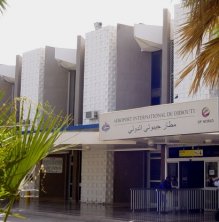
Djibouti-Ambouli International Airport is one of six airports in Djibouti and, being the only one that is fully paved, is home to both civilian flights and military traffic with Camp Lemonnier on its south side, a base for the United States and French Armed Forces. It has been described by numerous passengers as "tiny and pathetic with no air-conditioning which makes the place ridiculously hot and humid." Enjoy your visit!


Volunteer
by Country

African Volunteer Work


Sponsor
a Child

Sponsor a Child in Africa


All About
Africa

About Africa


African
Resources

African Resources