
|
Child Sponsor Uganda | Child Sponsor Uganda | Child Sponsor Uganda | Child Sponsor Uganda |

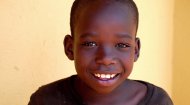

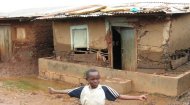
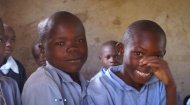



For more about life in Uganda including videos and photos, check out our Uganda profile pages.
More >
|
|
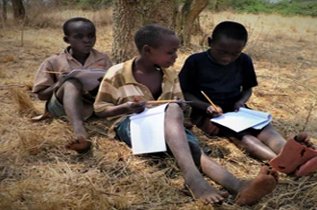
Others encompass holistic care, providing regular nutritious meals, access to medical check-ups, hygiene education, and psychosocial support to help children overcome trauma. Community-focused sponsorship models, while still identifying individual beneficiaries, might pool resources to improve local schools, build water and sanitation facilities, or establish vocational training centres that benefit a wider group of children and their families, ensuring sustainable change beyond individual support. The most direct and profound consequence of sponsorship is its impact on children's lives. For a sponsored child, the benefits are immediate and far-reaching. Consistent access to education means the chance to learn, to grow, and to dream beyond their immediate circumstances. It provides the tools necessary to break cycles of intergenerational poverty. Improved nutrition leads to better health, stronger immune systems, and enhanced cognitive development. Access to healthcare means illnesses are treated, and preventative care keeps children healthy and in school. Beyond the material, sponsorship offers invaluable emotional and psychological support: knowing someone cares about their well-being instils hope, builds self-esteem, and fosters resilience, enabling children to navigate challenges and envision a future filled with potential. Yet, the positive effects of child sponsorship extend far beyond the individual child; they create a ripple impact on the community as a whole. When a child is sponsored, their family often benefits indirectly through reduced financial strain and improved living conditions. Local schools receiving sponsored children often benefit from improved resources, such as new classrooms, teaching materials, or teacher training, elevating educational standards for all students. Health initiatives funded by sponsorship programs, like vaccination campaigns or clean water projects, serve the entire community. Furthermore, the economic injection from purchasing goods and services locally for sponsored children or community projects stimulates the local economy, creating jobs and fostering local development. A generation of educated, healthy children transforms the social fabric, leading to stronger families, more engaged citizens, and a more prosperous society. A crucial aspect of effective child sponsorship is ensuring that assistance reaches those who need it most. The process of what children are selected for child sponsorship and how is typically rigorous and needs-based. Organisations often work in partnership with local community leaders, social workers, and schools to identify the most vulnerable children. Criteria for selection commonly include children who are orphans, those living in extreme poverty, children from single-parent or large households struggling to provide basic necessities, children with disabilities, or those facing significant barriers to education and healthcare. The selection process usually involves thorough assessments, including home visits, interviews with families and community members, and verification of their living conditions and needs. Transparency and accountability are paramount, ensuring that resources are directed to children who would otherwise have little to no chance of escaping the cycle of poverty. Above are our current opportunities to sponsor a child in Uganda. Also check out our Children's Charities page for further opportunities. |


