Rwanda NewsExplore the latest Rwanda news and current events, the current state of press freedom in Rwanda, including government influence, legal threats, and the role of independent media. The main Rwanda news headlines are below however you can also read news from each African country by using the drop-down menu. |
Rwanda News |
Rwanda News |
Rwanda News | Rwanda News |


For information, videos and photos of the African nation of Rwanda, check out our Rwanda pages.
More >
|
|
|
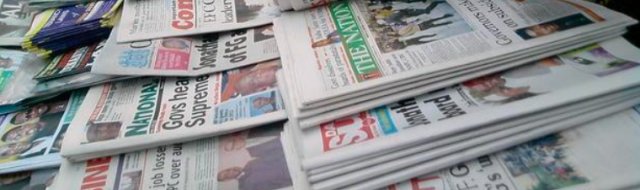
The media landscape in Rwanda presents a complex picture, marked by constitutional guarantees of press freedom that often clash with practical realities. While the Rwandan constitution explicitly protects freedom of expression and the press, an examination of the situation reveals a consistent pattern where these freedoms are curtailed. This often manifests through various forms of control, impacting the ability of journalists to operate independently and report freely on matters of public interest. Specific instances of censorship, arrests, and harassment of journalists have been well-documented, painting a concerning image of the operating environment. Independent news outlets have faced pressures, and journalists have reported instances of intimidation, leading to a chilling effect on investigative reporting. The government's approach often involves leveraging legal frameworks and, increasingly, digital tools to manage the flow of information. This can include the use of digital surveillance technologies and the implementation of social media regulations that can be broadly interpreted, thereby limiting critical discourse online. In some instances, internet blackouts or disruptions have also been observed during sensitive periods, further hindering the dissemination of information and the work of the press. Within Rwanda, state media generally aligns with the government's narrative and priorities, serving as a significant platform for official communication. Privately owned media, while present and theoretically independent, often operates under the shadow of potential repercussions, leading to a degree of self-censorship. This duality shapes the variety and depth of information available to the public, with critical perspectives being more cautiously presented. When considering the broader East African region, many countries grapple with similar challenges regarding media freedom and government influence, the specific mechanisms and intensity of control can vary. However, the overarching trend in several East African nations, including Rwanda, points to a significant gap between legal pronouncements on press freedom and the actual practice, where the state often wields considerable power in shaping the media environment. This ongoing tension between established rights and exercised power remains a critical area of concern for journalists and media watchdogs operating in the region. |


