This makes it difficult for sponsorship-based organisations, many of which rely on transparency, direct community engagement, and long-term local partnerships, to establish sustainable operations. Additionally, Mauritania's relatively small population and low international visibility compared to neighbouring nations like Mali or Senegal mean that it attracts less global attention and funding for humanitarian and development initiatives.
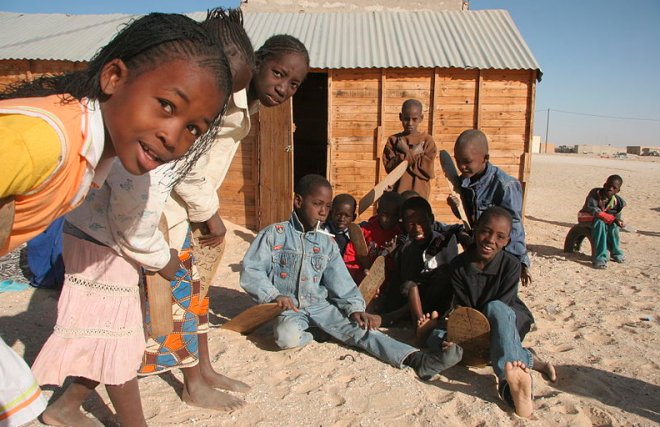
Cultural and social factors also contribute to the scarcity of child sponsorship programs. Mauritania has deep-rooted social hierarchies, including issues of ethnic inequality and residual forms of slavery, which can make direct intervention in family and community welfare highly sensitive. Some communities may also be sceptical of foreign aid models that involve individual child sponsorship, preferring broader, community-based approaches. Moreover, many rural areas are geographically isolated, with limited infrastructure and challenging desert conditions that hinder regular monitoring and communication between sponsors and beneficiaries, a core feature of most sponsorship models.
Finally, while a few international organisations, such as UNICEF, the World Food Programme (WFP), and Islamic Relief, are active in Mauritania, their focus tends to be on food security, access to education, and combating child malnutrition at the community or national level, rather than through individual sponsorship schemes. Until greater infrastructure, openness to NGOs, and awareness of child sponsorship benefits develop, Mauritania is likely to remain a country where sponsorship programs are rare, despite the pressing need to support its most vulnerable children.
What programs there are, focus on the provision of water supplies, education and health care, together working with farmers to develop sustainable farming techniques that can maximise crop yields. You can make a difference when you sponsor a child in Mauritania. |