Burkina Faso NewsExplore the latest Burkina Faso news and current events, the current state of press freedom in Burkina Faso, including government influence, legal threats, and the role of independent media. The main Burkina Faso news headlines are below however you can also read news from each African country by using the drop-down menu. |
Burkina Faso News |
Burkina Faso News |
Burkina Faso News | Burkina Faso News |


|
|
|
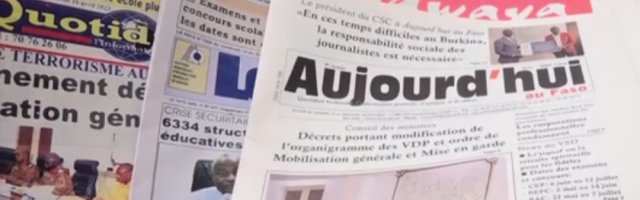
Burkina Faso’s media landscape reflects a complex interplay between constitutional press freedoms and the harsh realities of government restrictions. While the country’s laws formally guarantee freedom of expression, journalists often face censorship, harassment, and arbitrary arrests, particularly when covering sensitive topics like security, corruption, or political dissent. Over the past decade, Burkina Faso has seen a worrying trend of media shutdowns, especially during periods of political unrest or military coups. Digital surveillance and internet restrictions have also become tools for controlling the press. Authorities have imposed temporary internet blackouts during protests or security operations, citing national security concerns, but effectively silencing independent reporting. Social media regulations, often vaguely defined, have been used to target journalists who critique the government or military leadership. In one notable case, a journalist was arrested for allegedly spreading "false information" after reporting on civilian casualties in a military operation, underscoring how broadly framed laws can criminalise legitimate journalism. These tactics mirror regional trends in West Africa, where governments in countries like Niger and Mali have similarly tightened control over media under the guise of maintaining stability. State-owned media in Burkina Faso dominates the airwaves, often serving as a mouthpiece for the government, while private outlets struggle with financial and political pressures. Independent newspapers and radio stations, which play a crucial role in investigative journalism, operate under constant threat of reprisals. Funding shortages, exacerbated by advertising boycotts from state-aligned businesses, further weaken their ability to function. Despite these challenges, some outlets continue to push boundaries, relying on international partnerships or encrypted communication to evade censorship. Compared to neighbouring countries, Burkina Faso’s press freedom record is mixed. While it fares better than states with outright media repression like Guinea or Togo, it lags behind Senegal, where relatively stronger judicial independence offers journalists some protection. The regional contrast underscores how political instability and security crises, such as Burkina Faso’s ongoing conflict with jihadist groups, are frequently exploited to justify press crackdowns. |


