Botswana NewsExplore the latest Botswana news and current events, the current state of press freedom in Botswana, including government influence, legal threats, and the role of independent media. The main Botswana news headlines are below however you can also read news from each Africa country by using the drop-down menu. |
Botswana News |
Botswana News |
Botswana News | Botswana News |



|
|
|
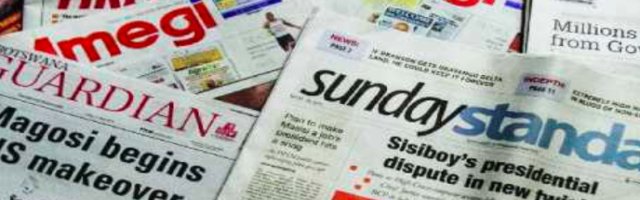
Botswana often stands out in Africa as a model of stable democracy, a reputation that extends to its media environment. On paper, the legal framework is robust; the constitution explicitly guarantees freedom of expression and the press, placing the country among the continent's brighter spots for media rights. This foundational right has fostered a relatively diverse media landscape featuring both state-owned entities like the Botswana Broadcasting Corporation (BBC) and a significant number of private newspapers and radio stations, including influential titles such as Mmegi and the Daily News. However, a closer examination reveals a persistent gap between this constitutional promise and the practical realities journalists face daily. Despite the strong legal guarantees, press freedom in Botswana is frequently tested by government actions that fall short of outright shutdowns but create a climate of constraint. Specific incidents highlight this tension. In 2018, police raided the offices of Mmegi, the country's leading independent newspaper, over a story concerning a public official, seizing equipment and demanding sources – a stark intimidation tactic. More recently, in 2020, editor Keabetswe Chake was arrested and charged with criminal defamation after publishing allegations of corruption involving a senior government figure, demonstrating how outdated laws like criminal defamation are wielded against critical reporting. While large-scale internet blackouts or direct censorship orders are rare, the government increasingly employs subtler tools. Proposed legislation, including the Cybercrime and Data Protection Acts, raises significant concerns about enabling unwarranted digital surveillance and creating legal avenues to pressure journalists online, potentially chilling investigative work that relies on digital sources and communication. This pattern of legal rights existing in theory while facing practical erosion aligns Botswana more with a regional trend than a clean outlier. Compared to neighbours like Zimbabwe or Tanzania, where overt repression, social media bans, and journalist expulsions are common, Botswana's approach is notably less severe. Yet, when measured against the highest democratic standards or even progressive peers like Ghana or Namibia, Botswana's record shows worrying tendencies. Governments across Southern Africa often share a playbook: using state advertising budgets to reward friendly outlets and starve critical ones, leveraging slow and costly legal processes to harass journalists, and employing vaguely worded laws related to national security or defamation as instruments of control, all while maintaining a façade of constitutional adherence. The dynamic between state-owned and privately owned media is central to understanding this landscape. The state broadcaster and publications like Daily News (owned by the ruling party's affiliated organisation) generally reflect the government's perspective, offering limited critical scrutiny. Conversely, private outlets, particularly Mmegi, provide vital independent voices and investigative reporting. However, these independent players operate under constant pressure – facing the threat of lawsuits, bureaucratic hurdles, and the implicit understanding that aggressive reporting on sensitive issues carries professional and sometimes personal risk. The result is not a silenced press, but one that must navigate a complex terrain where the constitutional right to inform the public is consistently challenged by the practical realities of state power and legal manoeuvring. |


