 Make a real difference...
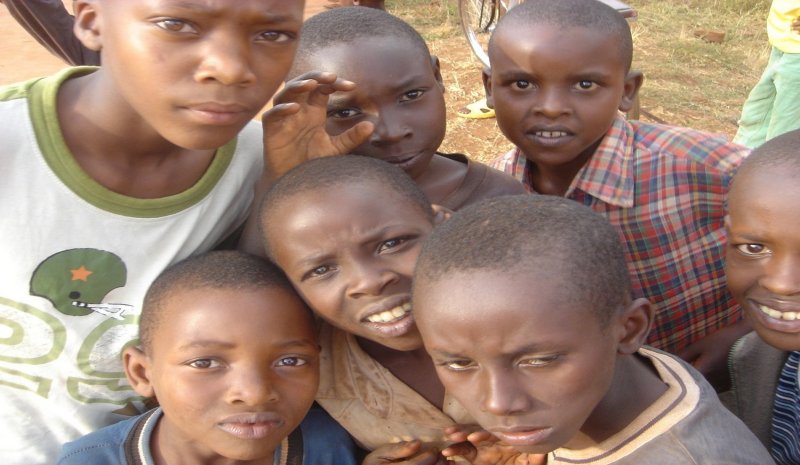 to communities across Africa.
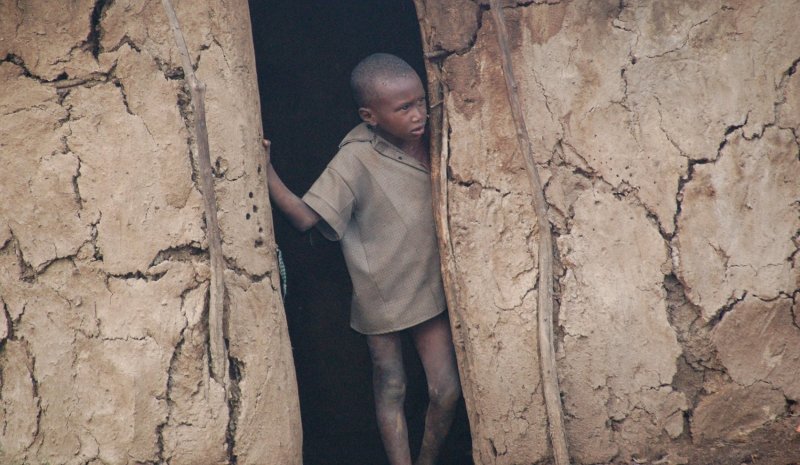 Share skills and knowledge...
 and sponsor children...
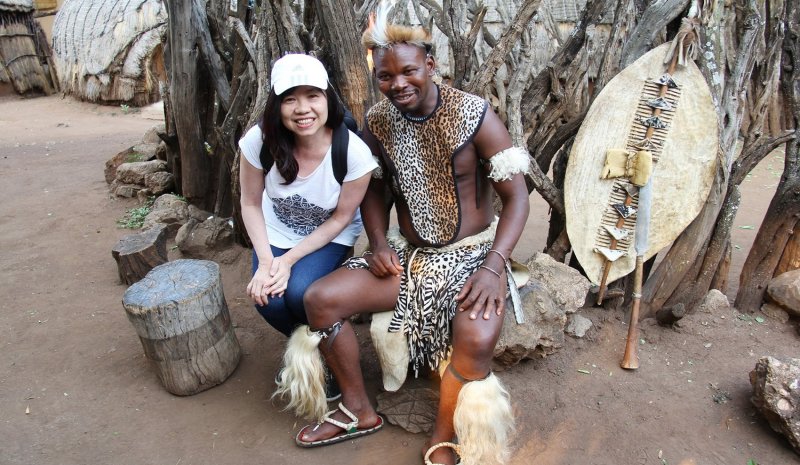 to develop a better future
 ...and change lives forever!
Free and paid volunteer work opportunities in Madagascar with details of volunteer and charity work projects and programs in the island nation. Madagascar should be a paradise ~ but it isn't. Today it is ranked in 177 place out of 193 countries and territories in 2025 in terms of life expectancy, literacy, access to knowledge and the living standards and a horrifying half of all children under the age of five will die of diarrhoea. In fact, despite being surrounded by it, safe and secure water is a real problem in Madagascar with just 18% of its schools having access to it and only 30% having toilets. HIV/AIDS is also rampant with five children being born every day in Madagascar with the virus and 910,000 orphans live in the country, one out of every ten children. Madagascar has a very high poverty rate, with approximately 75% of the population living below the national poverty line.
This poverty is particularly severe in rural areas, with over 80% of the rural population living in poverty, compared to 56% in urban areas. The country is also experiences severe droughts.For those seeking a truly transformative experience, volunteer work in Madagascar offers an exceptional opportunity to contribute meaningfully to conservation and community development, while immersing oneself in a culture as rich and diverse as its landscapes. The decision to volunteer abroad is a significant one, and Madagascar presents a compelling case for several reasons.
1. Unparalleled Biodiversity and Urgent Conservation Needs: Madagascar is a biodiversity hotspot, with over 90% of its wildlife found exclusively on the island. This includes over 100 species of lemurs, countless chameleons, geckos, and an astonishing array of plants. However, these precious ecosystems are under severe threat from deforestation, climate change, and unsustainable agricultural practices. Volunteer work in Madagascar allows you to directly engage in critical conservation efforts, from reforesting vital habitats to protecting endangered species and their environments.
2. Deep Community Engagement: Beyond its natural wonders, Madagascar is home to a resilient and welcoming people. Despite significant socio-economic challenges, the Malagasy spirit is one of warmth, hospitality, and resourcefulness. Volunteers have the chance to work directly with local communities, understanding their daily lives, sharing skills, and contributing to projects that genuinely address their needs, such as education, healthcare, and sustainable livelihoods. This offers a profound cultural immersion far beyond typical tourism.
3. Personal Growth and Perspective: A journey to Madagascar is inherently challenging and rewarding. It demands adaptability, resilience, and an open mind. Navigating a new culture, often with limited resources, fosters invaluable personal growth. You'll gain a deeper understanding of global issues, develop problem-solving skills, and return with a renewed sense of purpose and appreciation for life's simpler aspects.

The range volunteer work projects and programs available for volunteers in Madagascar is as varied as the island itself, reflecting its unique needs and opportunities. Most programs fall into distinct categories:
Volunteer Work Madagascar: SEED Madagascar
Volunteer Work Madagascar: Madagascar Research & Conservation Institute!
Volunteer Work Madagascar: Mada Clinics
Volunteer Work Madagascar: Reef Doctor
Volunteer Work Madagascar: Madagascar Biodiversity Partnership
Volunteer Work Madagascar: Feedback Magagascar
Volunteer Work Madagascar: Maventy
Volunteer Work Madagascar: Child Sponsor Madagascar
Volunteer Work Madagascar: Madagascar Profile
a) Environmental Conservation Projects: These are perhaps the most popular and critical. Volunteers might work on:
b) Community Development Projects: Addressing the human development needs of Malagasy communities is equally vital. Volunteers can contribute to:
c) Wildlife Rescue and Rehabilitation: Some organisations focus on rescuing injured or orphaned wildlife, providing care, and rehabilitating them for release back into the wild. This can involve hands-on animal care, enclosure maintenance, and educational outreach.
d) Research Assistance: For those with a scientific background or a keen interest in research, opportunities exist to assist local and international scientists with data collection, surveys, and field studies across various disciplines, from botany to primatology.
Adequate preparation is key to a successful and fulfilling volunteer experience in Madagascar. The island presents unique logistical and cultural considerations:
1. Choosing the Right Program: Research reputable organisations thoroughly. Look for those with clear objectives, transparent financial practices, strong community ties, and a commitment to sustainable impact. Read reviews, understand the project's focus, and ensure it aligns with your skills and interests.
2. Visa and Travel Documents: Most nationalities require a visa to enter Madagascar, which can often be obtained upon arrival at the international airport (currently up to 90 days for tourist visas). Ensure your passport is valid for at least six months beyond your intended departure date and has sufficient blank pages.
3. Health and Vaccinations: Consult a travel doctor well in advance (ideally 4-6 months before departure). Recommended vaccinations typically include Hepatitis A and B, Tetanus, Typhoid, and potentially Rabies. Malaria is prevalent in most parts of Madagascar, so discuss anti-malarial prophylaxis with your doctor. Pack a comprehensive first-aid kit, including over-the-counter medications for common ailments, rehydration salts, and any personal prescriptions. Water purification tablets or a filter bottle are highly recommended.
4. Packing Essentials: Pack light but smart. Lightweight, quick-drying clothing is essential, preferably modest to respect local customs. Sturdy, comfortable walking shoes or hiking boots are a must. Other essentials include insect repellent (with DEET), a wide-brimmed hat, sunscreen, a headlamp/flashlight, a portable power bank, and a basic waterproof jacket. Remember that electricity can be intermittent, especially in rural areas.
5. Financial Planning: Beyond program fees and flights, factor in costs for internal travel, personal expenses, souvenirs, and a contingency fund for unexpected situations. While Madagascar can be affordable, remote areas might have limited ATM access.
6. Cultural Sensitivity and Language: Learning a few basic Malagasy phrases (Salama - Hello, Misaotra - Thank you, Aiza - Where) will go a long way in building rapport. Malagasy culture emphasises respect for elders, community, and the concept of fady (taboos), which vary by region. Be patient, observe local customs, and maintain an open mind. Understand that the pace of life is much slower, and flexibility is paramount.
While immensely rewarding, volunteer work in Madagascar comes with its share of challenges. Being prepared for these can help manage expectations and enhance your experience:
1. Logistical Hurdles: Infrastructure in Madagascar is limited, especially outside major cities. Roads can be poor, public transport unreliable, and power outages common. Internet and phone connectivity may be sporadic or non-existent in remote project sites. Patience and adaptability are crucial when plans inevitably change.
2. Cultural Differences: The concept of time, communication styles, and problem-solving approaches can differ significantly from Western norms. Directness can sometimes be perceived as rude, and decisions might take longer than expected. Understanding and respecting these differences rather than fighting them is key.
3. Poverty and Inequality: Volunteers will inevitably witness the stark realities of poverty, limited access to resources, and the daily struggles faced by many Malagasy people. This can be emotionally challenging and lead to feelings of helplessness. It's important to focus on the positive impact you can make within your project's scope and to practice self-care.
4. Health and Safety Risks: Beyond malaria, waterborne diseases (like typhoid and hepatitis) are a concern, making careful food and water choices vital. Dengue fever can also occur. Petty crime, particularly in urban areas, requires vigilance, though serious crime against volunteers is rare. Always follow local advice and organisational guidelines.
5. Language Barrier: While some people, especially in tourist areas, may speak French, English is not widely understood. This can be a significant barrier in daily interactions and project work. Learning basic Malagasy or relying on translators provided by your organisation will be essential.
6. Emotional Toll: Homesickness, frustration with setbacks, or the sheer weight of witnessing profound need can take an emotional toll. It’s important to acknowledge these feelings, communicate with your project leaders or fellow volunteers, and ensure you have strategies for self-care.
Despite the challenges, the rewards of undertaking a period of volunteer work in Madagascar are immense. To maximise your impact and personal growth:
If you are considering undertaking a period of volunteer work in Madagascar check out our profile pages to explore the country before you visit and learn how to make the most of your volunteer work in Madagascar.

Working towards sustainable, environment, education and development goals across southeast Madagascar.
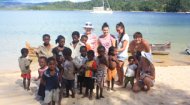
Volunteer work in Madagascar includes teaching English, marine and forest conservation as well an island outreach.

Volunteer work in Madagascar providing health care and education to people living in Maventibao and nearby villages.

Volunteer work in coral reef research and marine management with local fishing communities.

Working alongside local communities helping restore and protect Madagascar's remaining forests and diverse wildlife.

Occasional and limited volunteer work opportunities in Madagascar for suitably qualified people.
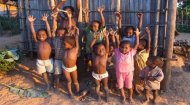
Volunteer work for medical professionals
and others addressing child malnutrition in Madagascar.
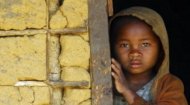
Details of how to sponsor children in Madagascar with Malagasy child sponsor organisations, charities, programs and projects.
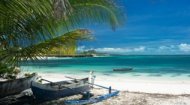
In another of our African country profiles, find out all about Madagascar in a series of information articles, latest daily news, videos, and images together with volunteering and child sponsorship opportunities.

|
Main sections of this site:

Details of current volunteer work
opportunities in each of the
countries of Africa.

Find how to sponsor a child in Africa
with our list of organisations,
charities, programs and projects.

Discover all about Africa, its tourist
attractions, history, people, culture
and daily life there.
